Summer Landscaping Tips to Keep Your Garden Thriving
As the sun blazes and temperatures rise, maintaining a healthy and attractive garden can feel like a real challenge. But with a few practical adjustments, your outdoor space can stay lush, colorful, and full of life all summer long. Whether you’re working with a sprawling backyard or a compact courtyard, these tips can help keep your landscape looking vibrant without burning you out.
Water Wisely
During summer, your plants need extra hydration—but that doesn’t mean you should flood them daily. The trick is to water deeply and less frequently. This method encourages roots to grow deeper into the soil, making plants more resilient to heat. Early morning is the ideal time to water, as it minimizes evaporation and allows foliage to dry before nightfall, reducing the risk of fungal diseases.
Consider using a drip irrigation system or soaker hoses, which target water at the base of plants rather than spraying everything. This helps reduce waste and delivers moisture right where it’s needed most.
Mulch for Moisture
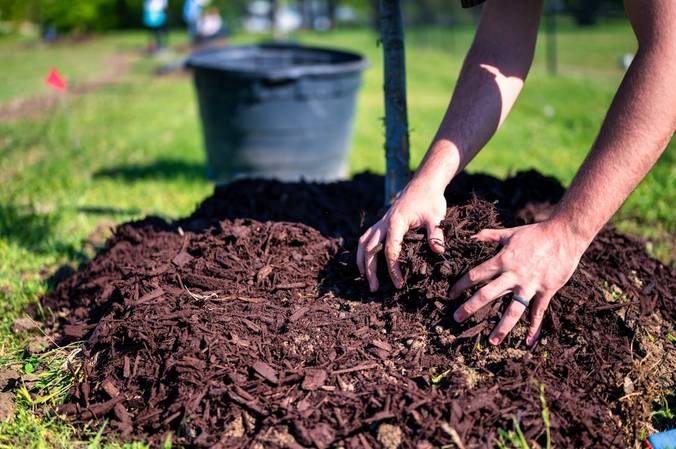
Adding mulch is one of the easiest ways to protect your soil from drying out under the scorching sun. A good layer of organic mulch—like bark chips, straw, or shredded leaves—helps lock in moisture, regulate soil temperature, and prevent weed growth.
Spread about two to three inches of mulch around plants but avoid piling it against stems or trunks. Not only will this keep the roots cool, but it also adds nutrients to the soil as it breaks down over time.
Choose Heat-Tolerant Plants
If you’re thinking of introducing new greenery, go for varieties that can handle the heat. Succulents, lavender, yarrow, coneflowers, and ornamental grasses are great examples of plants that thrive in hot, dry conditions. Native plants are especially well-suited to your local climate and typically require less maintenance once established.
This doesn’t mean you have to give up color. Many heat-loving plants bloom beautifully and attract pollinators, adding both life and beauty to your garden.
Stay on Top of Lawn Care
Lawns can quickly turn brown and crispy in the summer if neglected. To keep your grass green, mow at a higher setting—taller blades of grass shade the soil and reduce moisture loss. Don’t cut more than one-third of the grass height in a single session, as this stresses the lawn.
Fertilize sparingly during the hottest months. Instead, focus on aerating compacted soil to allow water and nutrients to reach the roots more effectively.
Control Pests Naturally
Hot weather often brings out unwanted guests. Insects like aphids, whiteflies, and spider mites can cause real damage if left unchecked. Encourage beneficial insects like ladybugs and lacewings, which prey on these pests. You can also use insecticidal soap or neem oil sprays as safer alternatives to chemical treatments.
Keeping your garden clean and removing decaying plant matter also reduces breeding grounds for pests.
Don’t Overdo the Pruning

While it’s vital to remove dead or damaged growth, too much pruning in summer can expose plants to unnecessary stress. Trim lightly to improve airflow and shape but save heavier cuts for cooler months. Excessive pruning during heatwaves can cause sunburn on tender new shoots and weaken the plant overall.
Provide Shade Where Needed
Some plants, especially those not native to sunny regions, can benefit from temporary shade during peak heat hours. Use shade cloths, garden umbrellas, or even strategically placed containers to shield sensitive plants from direct afternoon sun. It’s a simple tactic that can prevent wilting and leaf scorch.
Caring for your garden in summer doesn’t have to be overwhelming. With a few strategic choices and a bit of regular attention, your landscape can remain a welcoming, green oasis even in the hottest months. Embrace the season with smart habits that keep your garden strong, colorful, and full of life all summer long.…







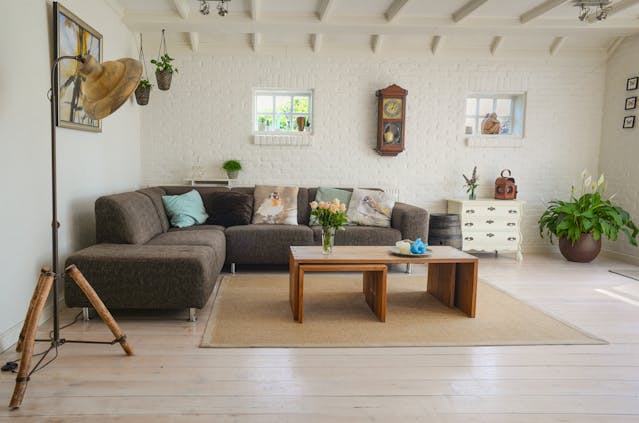


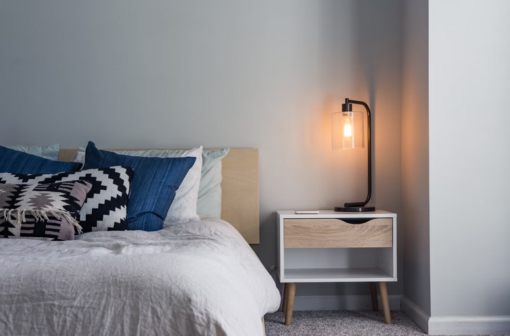 A folding bed is one of the most versatile furniture pieces you can add to your home. Whether you have limited space or frequently host guests, a folding bed offers convenience and functionality. A folding bed can be easily stored away when not in use, taking up minimal space. This makes it an ideal solution for small apartments or studio units. With just a quick fold and tuck, you can transform your living room into a cozy bedroom whenever needed.