
Why Some Home Improvements Don’t Actually Add Value
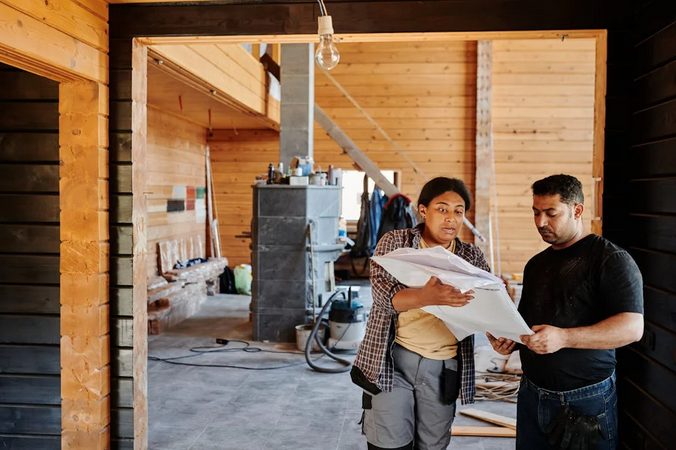
Home improvement projects are often seen as a way to increase property value. Many homeowners invest time and money expecting a strong return. However, not all upgrades lead to higher resale prices. Some changes may even reduce appeal to potential buyers. The difference between a smart upgrade and a costly mistake often lies in understanding market expectations. Knowing why certain improvements fail to add value can help homeowners make better decisions.
The Difference Between Personal Taste and Market Demand
One of the main reasons some improvements do not add value is personal preference. Homeowners often design spaces based on their own style. While this can make a home feel comfortable, it may not appeal to others. Bold colors, unusual layouts, or highly specific themes can limit interest. Buyers usually prefer neutral and flexible spaces. They want to imagine how they would use the home. When a design is too specific, it becomes harder for buyers to see its potential. This can reduce the perceived value of the property. Balancing personal taste with broader appeal is important when planning upgrades.
Over-Improvement Beyond Neighborhood Standards

Another factor is over-improving a property. This happens when upgrades exceed what is typical for the area. For example, adding high-end features in a modest neighborhood may not increase value as expected. Buyers often compare homes within the same location. If a property is priced much higher due to upgrades, it may not attract interest. The surrounding market sets a limit on value. It is important to consider the neighborhood before making major changes. Improvements should align with local standards. This approach helps ensure that investments are more likely to be recovered.
Projects With Low Return on Investment
Not all upgrades offer the same financial return. Some projects cost more than the value they add. For example, luxury renovations or highly customized features may not provide a strong return. Kitchen and bathroom updates are often seen as valuable. However, even these can lose value if done excessively. Spending more does not always mean gaining more. Understanding return on investment is key. Homeowners should research which projects tend to offer better results. This helps ensure that resources are used wisely.
Maintenance vs Improvement
There is a difference between maintaining a home and improving it. Basic repairs and upkeep are necessary, but they do not always increase value. Fixing a roof, updating plumbing, or repairing electrical systems is important. These actions help maintain the property’s condition. However, they are often expected by buyers. They do not necessarily raise the price. Improvements, on the other hand, add new features or enhance existing ones. Knowing this difference helps homeowners set realistic expectations. Maintenance is essential, but it should not be confused with value-adding upgrades.
Trends That Do Not Last

Home design trends change over time. What is popular today may not be appealing in a few years. Investing heavily in trends can be risky. For example, certain materials or styles may become outdated quickly. When this happens, the improvement may lose its appeal. Buyers may see it as something they need to change. Choosing timeless designs can help reduce this risk. Neutral colors and simple layouts tend to remain attractive over time. This approach helps ensure that improvements stay relevant.
The Importance of Functionality
Functionality plays a major role in property value. Improvements that reduce usability can have a negative impact. For example, removing storage space or altering layouts in impractical ways can make a home less appealing. Buyers often prioritize convenience and efficiency. A well-designed space that meets everyday needs is more valuable than a visually striking but impractical one. Improvements should enhance how a home is used. This includes better flow, increased storage, and improved lighting. Focusing on function helps create a space that appeals to a wider range of buyers.
Home improvements can add value, but not all projects achieve this goal. Personal taste, over-improvement, and poor investment choices can limit returns. Trends and functionality also play a role in how upgrades are perceived. Understanding these factors helps homeowners make informed decisions. It allows them to focus on improvements that align with market expectations. A thoughtful approach can prevent costly mistakes. By balancing style, function, and practicality, homeowners can create spaces that are both enjoyable and valuable.…